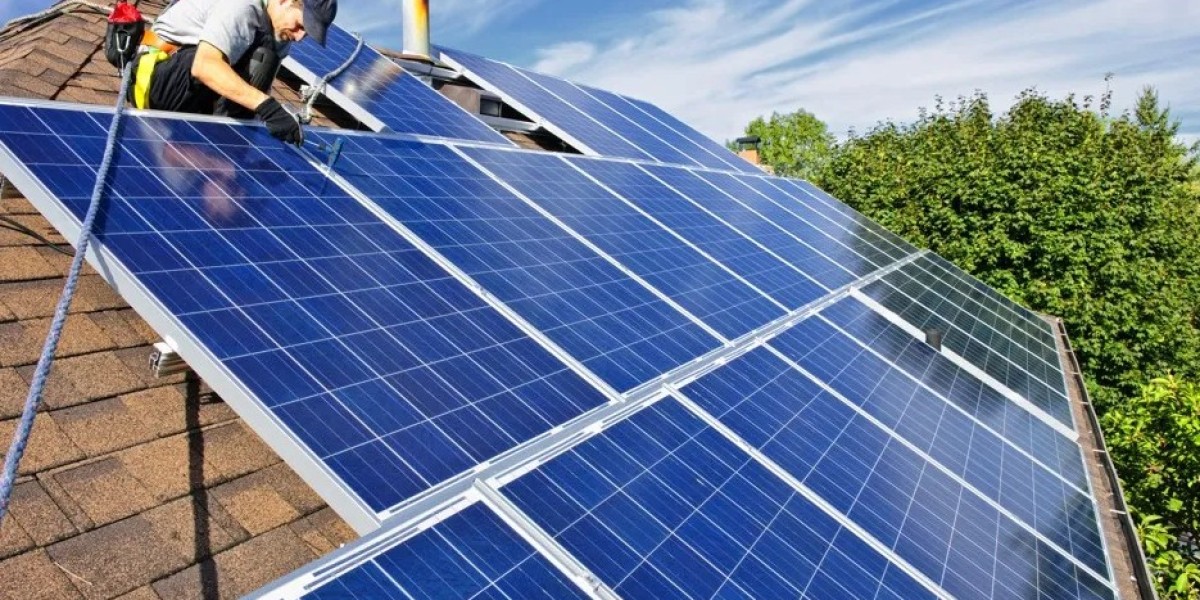

Installing a solar energy system is a smart investment that delivers long-term savings and environmental benefits. However, many property owners assume that once the panels are installed, no further attention is required. While solar systems are low-maintenance, they are not maintenance-free.
To ensure maximum efficiency and long-term durability—especially for those using Solar Panels in Saudi Arabia—a structured maintenance plan is essential. Let’s explore what you should do after installation to keep your system performing at its peak.
The Importance of Post-Installation Maintenance
Solar panels are exposed to outdoor elements every day. Over time, dust, heat, wind, and environmental debris can affect system performance.
Regular maintenance helps:
Maintain consistent energy production
Prevent unexpected breakdowns
Protect warranty coverage
Extend equipment lifespan
Improve overall safety
In regions such as Mecca and Riyadh, environmental conditions make maintenance even more critical due to frequent dust and high temperatures.
1. Scheduled Cleaning for Maximum Efficiency
Why Cleaning Is Essential
Solar panels generate electricity by absorbing sunlight. When dust or sand covers the surface, sunlight penetration decreases, reducing energy output.
For systems installed in desert climates, including Solar Panels in Saudi Arabia, cleaning every 2–4 months is often recommended.
Cleaning Guidelines
Use soft cloths or sponges
Wash with clean water
Avoid abrasive tools
Clean during cooler parts of the day
Never stand directly on panels
Professional cleaning services are ideal for large or hard-to-reach installations.
2. Continuous Performance Monitoring
Most modern solar systems include monitoring platforms that track real-time performance. These systems allow you to check:
Daily electricity production
Monthly energy trends
System efficiency
Fault notifications
Inverters from companies like SMA Solar Technology and Fronius often provide smart monitoring apps that make tracking easy.
If production drops unexpectedly, immediate inspection is recommended.
3. Inverter Care and Inspection
The inverter converts DC power from the panels into usable AC electricity. While panels can last over 25 years, inverters typically last between 8 and 15 years.
To maintain inverter health:
Ensure proper airflow
Keep surroundings clean
Check for warning signals
Schedule annual inspections
In hotter regions such as Jeddah, proper ventilation is especially important to prevent overheating.
4. Electrical Component Checks
Temperature fluctuations can cause expansion and contraction in electrical connections. Over time, this may loosen wiring or cause wear.
Annual inspections should include:
Checking cable insulation
Tightening connections
Inspecting circuit breakers
Verifying grounding systems
For commercial buildings using large-scale Solar Panels in Saudi Arabia, more frequent inspections may be required due to higher electrical loads.
5. Roof and Mounting System Assessment
The structural integrity of the mounting system plays a key role in long-term reliability.
Regularly check for:
Loose bolts or brackets
Corrosion on metal components
Roof sealing integrity
Water leakage around mounts
Flat rooftops, common in Saudi residential construction, should also be inspected for proper drainage to prevent water accumulation.
6. Managing Environmental Challenges
Dust and Sandstorms
Dust storms can quickly cover panels with sand, significantly reducing efficiency. After major storms, prompt cleaning helps restore optimal output.
Extreme Heat
Although solar panels are designed to tolerate high temperatures, excessive heat can slightly reduce performance. Proper installation spacing improves airflow and reduces thermal stress.
Maintenance planning for Solar Panels in Saudi Arabia must account for these environmental factors to maintain peak efficiency.
7. Professional Maintenance Services
While basic cleaning can be handled independently, professional servicing provides deeper system analysis.
Professional services may include:
Thermal imaging to detect hotspots
Electrical performance testing
Inverter diagnostics
Preventive part replacement
Annual maintenance contracts offer convenience and help avoid unexpected repair costs.
8. Warranty and Long-Term Protection
Most solar systems come with:
25-year performance warranties on panels
10–15 year warranties on inverters
Failing to follow recommended maintenance guidelines may affect warranty claims. Keeping service records is highly advisable.
9. Typical Maintenance Costs
Solar maintenance costs are generally low compared to traditional energy systems. Expenses may include:
Routine cleaning
Annual inspections
Inverter replacement after several years
When balanced against long-term electricity savings, maintenance remains a small and manageable investment.
Conclusion
Solar energy systems are designed for durability, but consistent care ensures they perform at their best for decades. Cleaning, monitoring, inverter care, electrical inspections, and professional servicing all contribute to long-term reliability.
For those relying on Solar Panels in Saudi Arabia, proactive maintenance is especially important due to dust, sandstorms, and high temperatures. With a structured care plan, your solar system will continue delivering clean, efficient, and cost-effective energy for many years to come.